Social Media Marketing for Colleges That Drives Applications

The short answer
Social media marketing for colleges drives applications only when it does more than build brand awareness. Reach prospective students where they actually are (Instagram, TikTok, YouTube), post content that answers the questions behind an application decision, and back every inquiry with follow-up measured in hours. The student is the user, but parents influence the choice, so speak to both. A reel that earns an inquiry is wasted if nobody replies for three days.
On this page⌄
Social media marketing for colleges is the practice of using student-facing platforms to move prospective students toward an inquiry and an application, not to collect followers or run up brand awareness. This guide is for enrollment and marketing leaders who want social to feed the funnel instead of eating staff hours.
Most college social accounts post for the wrong audience. They show current students the homecoming game and the new science building, which keeps alumni and enrolled students warm but does nothing for a 17-year-old deciding where to apply. Enrollment social does a different job. It reaches a student in the consideration window, answers the question in her head, and gives her one obvious next step.
The shift is simple. Stop posting for applause. Start posting for the student comparing four schools at 11pm.
For the full picture of how social fits the rest of the funnel, higher education marketing treats it as one stage in a system, not a standalone job.
Which platforms actually reach prospective students
You do not need to be on every platform. You need to be where students in your recruitment pool make decisions.
- Instagram sells the feeling of campus. Reels of move-in day, a packed lecture, a dorm room, and a club fair do more than a polished viewbook ever will.
- TikTok is where students go to vet you honestly. Student takeovers, "majors as vibes," and unfiltered campus tours read as real, which is the point.
- YouTube holds the long content a serious applicant watches before she applies: a full campus tour, a day in the life of a major, an explainer on financial aid.
- Facebook is for parents. They influence the choice and own the money conversation, and many of them still live here.
Pick two or three and run them well. A thin presence across six platforms reads as neglect, and students notice a dead account fast.
Content that moves a student toward an application
Vanity content gets engagement from people already enrolled. Enrollment content answers the questions a prospective student and her parents are actually weighing.
Make content that does this:
- Answer the money question without making them ask. A short, honest post on cost and aid removes the biggest silent objection a family has.
- Show the day, not the brochure. Real students, real dorms, real classes. A current student's voice beats a marketing script every time.
- Translate majors into outcomes. Not "robust interdisciplinary curriculum," but "here is what our grads in this major are doing two years out."
- Speak to the parent on a separate thread. Safety, support, career outcomes, and total cost. The student picks the vibe; the parent signs off on the decision.
- End with one next step. Request info. Start your application. One link, not five.
The same logic shapes our broader higher education marketing services: lead with the student's real questions and the parent's real fears, not your feature list.
The post is the easy part
Social only pays off when follow-up is fast
A student who fills out a form or messages your page after seeing a post is at peak interest in that moment. Wait two days and she has requested info from three other schools and forgotten you were one of them.
This is where most college social quietly fails. The content performs, the inquiries arrive, and then they sit in an inbox or a CRM queue over the weekend. The leak is not the content. It is the handoff between the post and a human reply.
Map it once. Who watches the inbox, how fast they respond, and what they say. The students you lose were not lost at the top of the funnel. They were lost in the gap between raising a hand and getting a reply.
Hours, not days
How fast a warm social inquiry should get a human reply before a prospective student moves on
SML enrollment playbook
There is a second reason to lead with answer-first content now. Prospective students and parents increasingly ask AI tools for a short list of schools before they ever visit a site, and those tools cite the sources that answer questions cleanly. The way you get cited by AI search is the same discipline that makes good social: answer the real question first, in plain language.
When to hire help
Run it in-house while volume is small and your team can answer inquiries within hours. Bring in help when one of these is true:
- You are posting on schedule but inquiries still go cold because nobody owns the response.
- You want to run paid social and the funnel behind it already converts.
- The content has gone quiet during peak recruitment season because the work keeps losing to the day job.
The wrong move is buying more reach into a funnel that leaks. More inquiries you cannot answer just means a wetter floor.
We build the system and run the fast follow-up behind it, so the inquiry a reel earns turns into an application instead of a dead lead.
If your social is producing interest you are not converting, book a discovery call and we will trace one cold inquiry from post to dead end, then show you where the next enrolled student is slipping through.
Want this mapped to your school's enrollment funnel?
We'll spend 20 minutes on your funnel — where inquiries come in, where they stall, and the one or two fixes that move enrollment. It's a working session, not a sales call.
Book a discovery callFrequently asked questions
- Which social media platforms work best for college enrollment?
- Instagram, TikTok, and YouTube reach prospective students where they spend time. Instagram and TikTok sell the feeling of campus life in short video; YouTube holds the longer content a serious applicant watches before applying, like a campus tour or a day in the life of a major. Facebook still matters for reaching parents who influence the decision. Pick two or three and run them well.
- Does social media marketing for colleges actually drive applications, or just awareness?
- It drives applications only when the follow-up behind it is fast. Social reaches students in the consideration window and earns the inquiry. But an inquiry that sits in an inbox over the weekend goes cold while the student tours other schools. The post creates interest; a human reply within hours converts it into an application.
- Should colleges market to the student or the parent on social media?
- Both, on different channels. The student is the user and lives on Instagram, TikTok, and YouTube, so most content speaks to them. Parents influence the final decision and the money conversation, and many of them are on Facebook, so a thread of content answering cost, safety, and outcomes earns their trust too.
- How often should a college post on social media?
- Consistency beats volume. Two or three posts a week that answer real questions a prospective student has outperform a daily stream of campus event photos. Going quiet for weeks during the decision window signals neglect to a student comparing you against other schools right now.
- Should we run college social media in-house or hire an agency?
- Run it in-house while volume is small and your team can answer inquiries within hours. Bring in help when inquiries go cold because nobody owns the response, when you want to run paid social into a funnel that already converts, or when content keeps losing to the day job and goes silent during peak recruitment season.
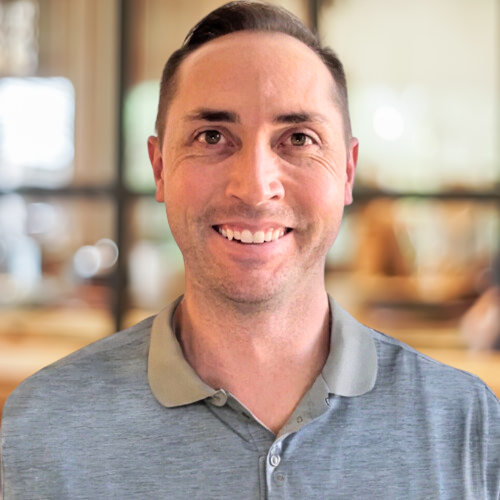
Clint Townsend
Founder of Six Minutes Late. We build enrollment-marketing systems for schools — independent, Montessori, faith-based, and language programs — turning inquiries into enrolled families with faster follow-up and tighter funnels.
Work with us →Get the next one in your inbox
Practical, no-fluff plays on filling seats and building enrollment demand — a couple of times a month. Built for people who actually run schools and programs.