The Referral Loop: Turn Word-of-Mouth Into Trackable Inquiries
The short answer
A systemized referral loop needs three named jobs: the ask (at peak-satisfaction moments), the handoff (a link, code, or 'who sent you' field), and attribution capture (logged at first touch). That turns ambient word-of-mouth into a reportable source line without a spammy points-for-friends scheme.
On this page⌄
A systemized referral loop needs three named jobs, and most schools are missing all three. The ask (requesting a referral at the moment a parent is happiest), the handoff (giving that parent a specific way to point someone at you: a link, a code, or a line on your form), and the attribution capture (logging where the inquiry came from at first touch). Get those three running on documented triggers and a warm mention at pickup turns into a named inquiry with a source you can report to your board.
Here's the trap: word-of-mouth is the #1 channel for most schools, and it's also the one nobody measures. So it shows up in board meetings as a shrug ("our families love us and tell their friends") instead of a line item. You can't grow what you can't see, and you can't defend your ad budget against a channel you refuse to count.
The good news is you don't need a points-for-friends app or a gamified dashboard. You need one owner, three triggers, and one field on your inquiry form. That's the whole thing. Let's build it.
Why do most schools fail to capture attribution on word-of-mouth even when it's their #1 channel?
Because the credit gets asked for too late, or never. A parent raves about your school at a birthday party in October. The friend Googles you in January, tours in February, and enrolls in April. By the time your enrollment form asks "how did you hear about us?" (if it does), the family types "online" because that's literally the last thing they did before showing up.
The mention was the cause. The Google search was the last click. If you only capture the last click, every referral gets misattributed to organic or paid. This is the same problem I broke down in the school ad attribution model: first touch tells you what started the journey, last touch tells you what finished it, and referrals almost always live in the first-touch column.
The core principle
There's also a tooling gap. Plenty of schools still run admissions out of spreadsheets or a CRM with no dedicated referral source. If your system can't tag a lead as "referred by the Okafor family," it will get lumped into a generic bucket and disappear. Fixing the field is often step one, which is why picking the right CRM for admissions matters before you build any of this.
How do you ask current parents for referrals without making it feel transactional?
You ask at peak satisfaction, and you ask specifically. The generic annual "refer a friend!" email fails because it lands on a random Tuesday when the parent feels nothing in particular. Warmth comes from timing and specificity, not from a bigger incentive.
Three moments where the ask feels natural:
- Right after a great event. The grandparents' day, the spring concert, the science fair. The parent just watched their kid shine. "So glad you came. If you know a family who'd love this, I'd be honored to give them a personal tour."
- At re-enrollment. A parent who just re-signed has publicly reaffirmed the choice. That's the moment they're most willing to vouch.
- At a specific praise moment. A parent emails to thank a teacher. Reply, then ask. That praise is a referral looking for a destination.
Notice what these have in common: the parent already feels good, and you're offering to take care of their friend. You're not asking them to sell. You're asking them to introduce.
What's the difference between a referral program and a systemized referral loop?
A referral program is a poster in the lobby and a form nobody fills out. A loop is a closed circuit: ask, handoff, capture, report, and then thank the advocate so they do it again.
A program is a thing you launch. A loop is a thing that runs. The difference is that a loop has documented triggers and one owner, so it doesn't depend on anyone remembering to do it. When a family re-enrolls, the CRM fires a task: send the referral ask. When a referred inquiry comes in, the source gets tagged automatically. When that inquiry tours, the referring parent gets a small thank-you. No heroics required.
One owner, three triggers
What a referral loop actually requires to run on a thin admissions team
SML enrollment playbook
This is the fix for what I've called the word-of-mouth ceiling: great schools generate tons of goodwill and then let it evaporate because there's no system to catch it. The loop is the net.
How do you track a referral from a casual mention to an enrolled family?
Give every advocate a named path and capture it at first touch. You have three options, in order of how much friction they add:
- A 'who sent you here?' field on your inquiry form. Zero setup, works for everyone, relies on the new family remembering the name. Make it a free-text field, not a dropdown, so they can type "my neighbor, the Reyes family."
- A simple referral code or named link you give advocates at the ask ("tell them to mention the Okafors" or a short URL). Cleaner data, requires you to hand something over.
- A pre-registered introduction, where the parent sends you the friend's name and you reach out. Highest quality, highest effort, best for your most enthusiastic families.
Then the CRM does the rest: tag the source at inquiry, and let it carry through tour and enrollment stages. Now you can report inquiry-to-tour and tour-to-enroll conversion for referred families as a separate line, and I'll bet the referred line converts better than anything else you run.
Should schools offer incentives for referrals, and what actually works?
Be careful here. Direct cash-for-heads is the fastest way to cheapen a recommendation and pull in low-fit families who followed a bounty. When money enters, the parent stops being an advocate and starts being a salesperson, and everyone can feel it.
What holds up better:
- Recognition. A thank-you note from the Head of School. A mention (with permission) in the community newsletter. People refer more when they feel seen for it.
- Community-benefit gestures. A donation to the classroom fund, a book for the library in the family's name. It rewards the behavior without turning it into a transaction.
- Small gestures tied to the enrolled family, not a payout. A welcome gift for the new family that the referrer helped create. It keeps the focus on the relationship, not the reward.
The goal is to make advocacy feel appreciated, not compensated. In marketing research rather than education specifically, an experimental study of referral reward programs found that cash incentives led to fewer referrals being made and accepted than equivalent non-cash, in-kind rewards, because money carried higher perceived social costs for the person making the recommendation (International Journal of Research in Marketing, 2014).
The takeaway
Stop treating word-of-mouth as luck you can't measure. Pick one owner, wire up three triggers (post-event, re-enrollment, praise moments), add a first-touch source field, and thank your advocates like humans instead of paying them like affiliates. Do that and next board meeting you'll walk in with a referral line that has real conversion numbers, not a shrug.
If you want help building the loop and the attribution behind it so your best channel finally shows up on the scoreboard, book a discovery call.
Want this mapped to your school's enrollment funnel?
We'll spend 20 minutes on your funnel — where inquiries come in, where they stall, and the one or two fixes that move enrollment. It's a working session, not a sales call.
Book a discovery callFrequently asked questions
- How do we make word-of-mouth referrals trackable?
- Give every advocate a named path: a personal link, a simple code, or a 'who sent you here?' field on your inquiry form. Then log the source at first touch, not at deposit, so the credit doesn't evaporate before the family enrolls.
- Do referral incentives cheapen the recommendation?
- Direct cash-for-heads tends to erode trust and attract low-fit families. Recognition, community-benefit gestures, and small thank-yous tied to the enrolled family preserve the warmth better than a bounty on your friends.
- Who owns the referral loop on a thin admissions team?
- One person owns the ask cadence and the attribution field. The loop itself is a set of documented triggers (post-tour, re-enrollment, milestone events), not a full-time role, so it survives a two-person office.
- When is the best moment to ask a parent for a referral?
- At peak-satisfaction triggers: right after a great event, a smooth re-enrollment, or a specific praise moment. A single mass annual 'refer a friend' blast almost always underperforms these targeted asks.
- How do we report referral results to the board?
- Track referral inquiries as a distinct source line in your CRM and report inquiry-to-tour-to-enroll conversion against paid and organic channels. That turns 'word-of-mouth is strong' into a number the board can act on.
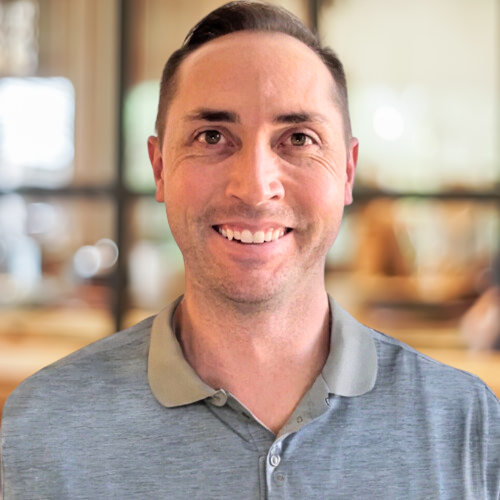
Clint Townsend
Founder of Six Minutes Late. We build enrollment-marketing systems for schools — independent, Montessori, faith-based, and language programs — turning inquiries into enrolled families with faster follow-up and tighter funnels.
Work with us →Get the next one in your inbox
Practical, no-fluff plays on filling seats and building enrollment demand — a couple of times a month. Built for people who actually run schools and programs.